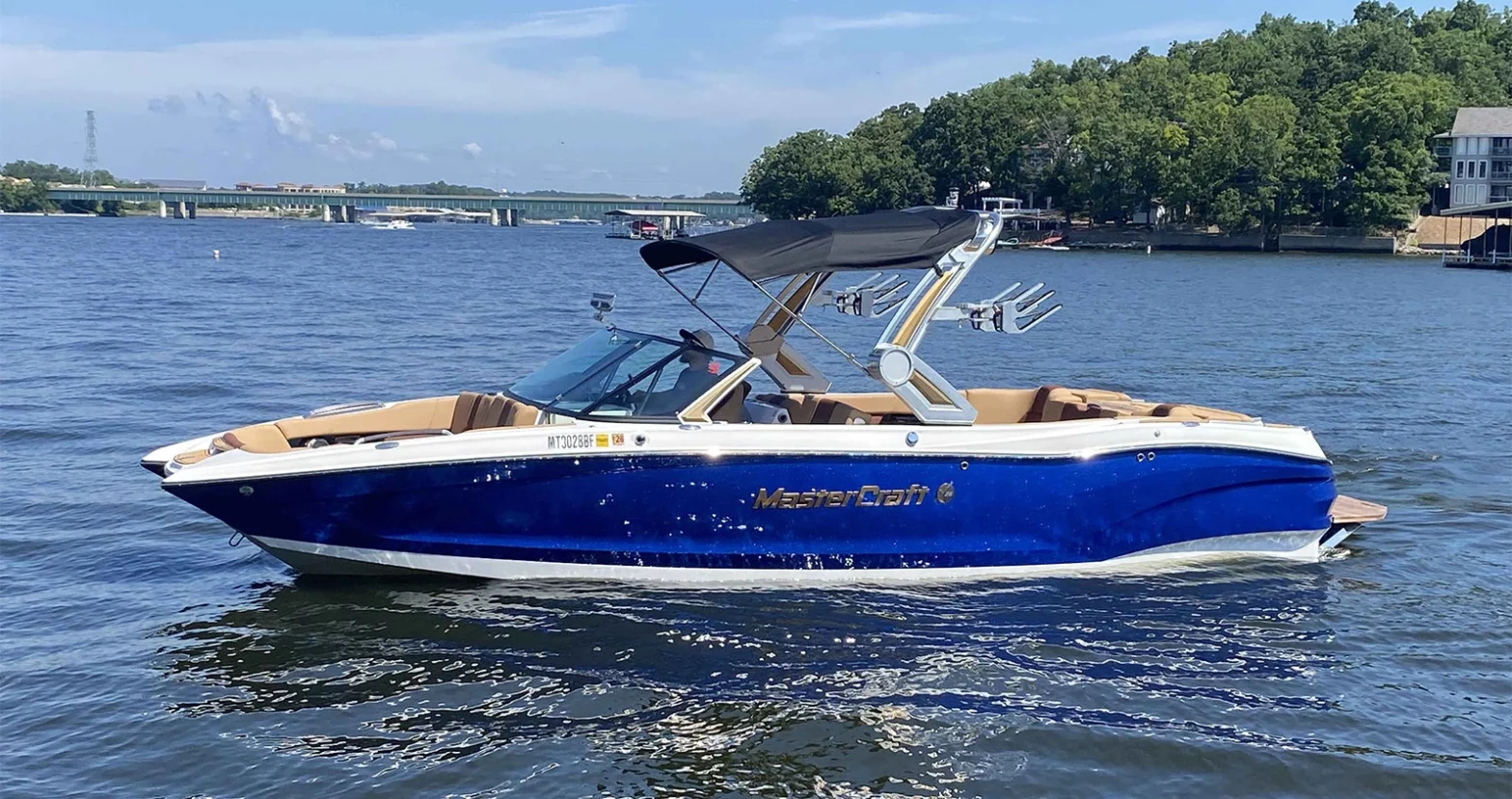
There is nothing quite like the feeling of an early morning run on the lake.
The water is glass, the air is crisp, and the horizon is wide open. For many of us in the Boatcrazy community, boating isn’t just a hobby we pick up on the weekends, it’s a lifestyle anchored in freedom and adventure.
However, that freedom is facing new challenges. Across the country, from the lakes of Minnesota to the shores of Vermont, local ordinances and waterway restrictions are on the rise. Concerns about shoreline erosion, water quality, and noise are leading to tighter regulations, particularly for wake boats.
In response to this shifting landscape, MasterCraft Boat Company has stepped up to the plate. The industry leader recently issued a strong statement reaffirming its commitment to protecting our waterways through education rather than sweeping regulation. By partnering with the Water Sports Industry Association (WSIA) on the “Wake Responsibly” campaign, they are aiming to preserve our access to the water for generations to come.
Here is what you need to know about the changing tides of regulation and how we can all do our part to keep our favorite lakes open and accessible.
The Rising Tide of Regulation
To understand why this initiative is so important right now, we have to look at the current regulatory climate. Local municipalities are increasingly scrutinizing the impact of wake sports.
For example, Vermont recently implemented strict “wakesports zones,” requiring boats to be at least 500 feet from shore and operating in water at least 20 feet deep. In Minnesota and New Hampshire, similar debates are heating up regarding how far wake boats should be from docks and other vessels.
The concerns usually center on three main areas:
- Shoreline Erosion: The fear that large wakes wash away soil and damage waterfront property.
- Sediment Disturbance: The idea that prop wash in shallow water stirs up phosphorus, potentially fueling algae blooms.
- Shared Use: Ensuring that anglers, kayakers, and homeowners can enjoy the lake alongside towboats.
MasterCraft acknowledges these challenges but believes that blanket bans aren’t the answer. Instead, they advocate for a solution built on shared responsibility and proper boating etiquette.
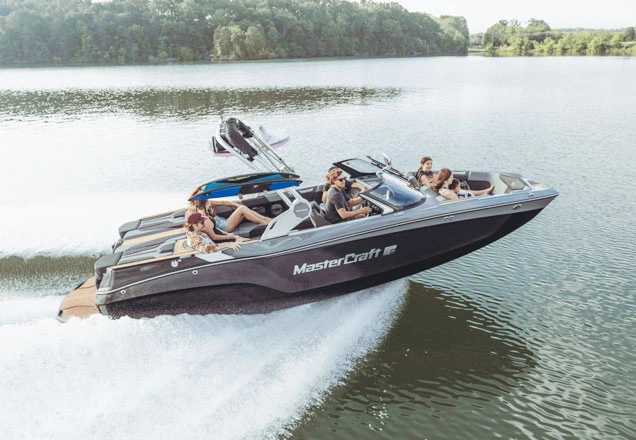
MasterCraft’s Stance: Education Over Regulation
MasterCraft is taking an industry-leading stance to ensure that education and advocacy lead the way. They argue that when boaters know better, they do better.
Brad Nelson, CEO of MasterCraft Boat Holdings, highlighted the broader importance of the boating industry in a recent statement.
“Boating isn’t just a passion, it’s an economic driver that supports thousands of jobs and generates billions of dollars for local economies,” Nelson said. “We take these concerns seriously and are committed to being part of the solution by working with communities, educating boaters, and investing in innovation to ensure safe, responsible enjoyment of our waterways.”
The goal is to protect the economic vitality of lake communities while preserving the environment. It is a balancing act, but one that is essential for the future of the sport.
The Three Pillars of “Wake Responsibly”
So, what does responsible boating look like in practice? MasterCraft and the WSIA have distilled it down to three essential principles. These are simple, actionable steps that every captain can take to minimize their footprint, or in this case, their wake.
1. Maintain Your Distance and Depth
The Rule: Stay at least 200 feet away from the shore, docks, and other boats. Operate in water that is at least 10 feet deep.
Why It Matters: Science shows that wave energy dissipates significantly as it travels. By giving your wake 200 feet of room to roll before it hits a shoreline or a parked pontoon, you drastically reduce the impact. Furthermore, staying in deep water (10+ feet) prevents your prop wash from churning up sediment on the lake bottom, which helps maintain water clarity and quality.
2. Manage Your Sound
The Rule: Keep music at a respectful level.
Why It Matters: Sound carries incredibly well over water. What sounds like a great playlist inside the boat can sound like a nuisance to a homeowner enjoying a quiet coffee on their porch half a mile away. Turning the volume down, especially early in the morning or late in the evening, goes a long way in maintaining good relationships with shoreline residents.
3. Minimize Repetitive Passes
The Rule: Don’t run the same line over and over again.
Why It Matters: Even a small wake can become a problem if it hits the same spot continuously for an hour. By varying your path and moving to different parts of the lake, you distribute the wave energy and prevent any single stretch of shoreline from taking the brunt of the action.
Implementing Change on the Water
MasterCraft isn’t just talking the talk; they are rolling out advocacy policies across their dealerships and partnerships. They are actively combating misconceptions about wake boats with scientific data and providing resources to help dealers educate their local communities.
Krista Schipner, Vice President of Marketing for MasterCraft, put it best: “Our mission is simple: to build memories, not barriers. We are committed to preserving access while ensuring safety, sustainability, and shared responsibility on every lake and shoreline we touch.”
This implies a call to action for all of us in the Boatcrazy community. Whether you drive a MasterCraft, a pontoon, or a fishing rig, the way we operate our vessels dictates the future of waterway access.
Know Before You Go: Check Your Local Rules
While the WSIA guidelines (200 feet from shore/10 feet deep) are an excellent baseline for responsible boating, it is vital to remember that they are industry recommendations. Local laws always take precedence.
As we head into the new boating season, we strongly encourage you to read your local rules and regulations.
- Distance Requirements: Some lakes, like those in Vermont, now require 500 feet of clearance rather than the standard 200.
- No-Wake Zones: Be aware of mapped zones where wake sports are explicitly prohibited.
- Time Restrictions: Some bodies of water limit wake surfing to specific hours of the day.
Checking the regulations for the specific body of water you plan to visit is the mark of a professional, prepared captain. You can usually find this information on your state’s Department of Natural Resources (DNR) website or the local lake association’s page.
We Are All Ambassadors
At Boatcrazy, we believe that boating is more than just buying and selling vessels,it’s about a shared love for the water. The “Wake Responsibly” campaign is a reminder that we are all stewards of the lakes we love.
By following these simple guidelines and staying informed on local ordinances, we can ensure that the freedom of the open water remains available for everyone. Let’s make this season safe, respectful, and full of adventure.
More for you to read;
10 Winter Boating Destinations That Will Make You Wish You Were There!